Case Study: how we used AI to help people wish each other happy holidays — safely, in every language
Most people experience AI as something you “ask questions to.”
You type a prompt, the AI replies, and that’s it.
We built something different.
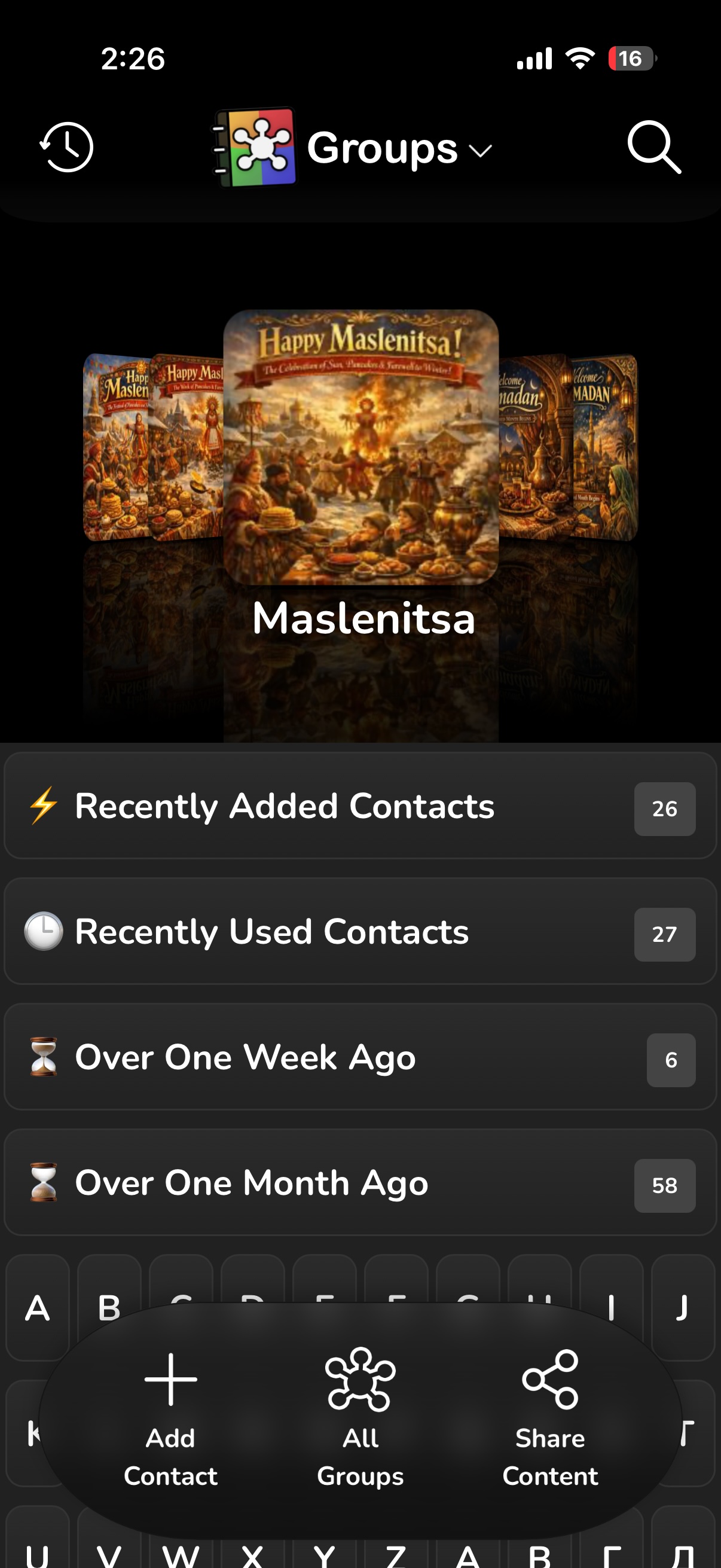
We built a system where AI helps power a real product that shows people local holidays, in their own language, in real time — while staying safe, predictable, and useful at scale.
This is the story of how it works end-to-end, why it’s different from typical AI approaches, and how this same architecture powers Safebots: safe AI services for communities.
The Real Problem We Wanted to Solve
People don’t just want “AI answers.”
They want tools that:
- Show them what’s happening in their community
- Respect culture and language
- Help them connect with other people
- Don’t break, hallucinate, or go rogue
- Don’t cost a fortune to run
We wanted people in the U.S., Europe, Asia, Africa — everywhere — to open an app and see:
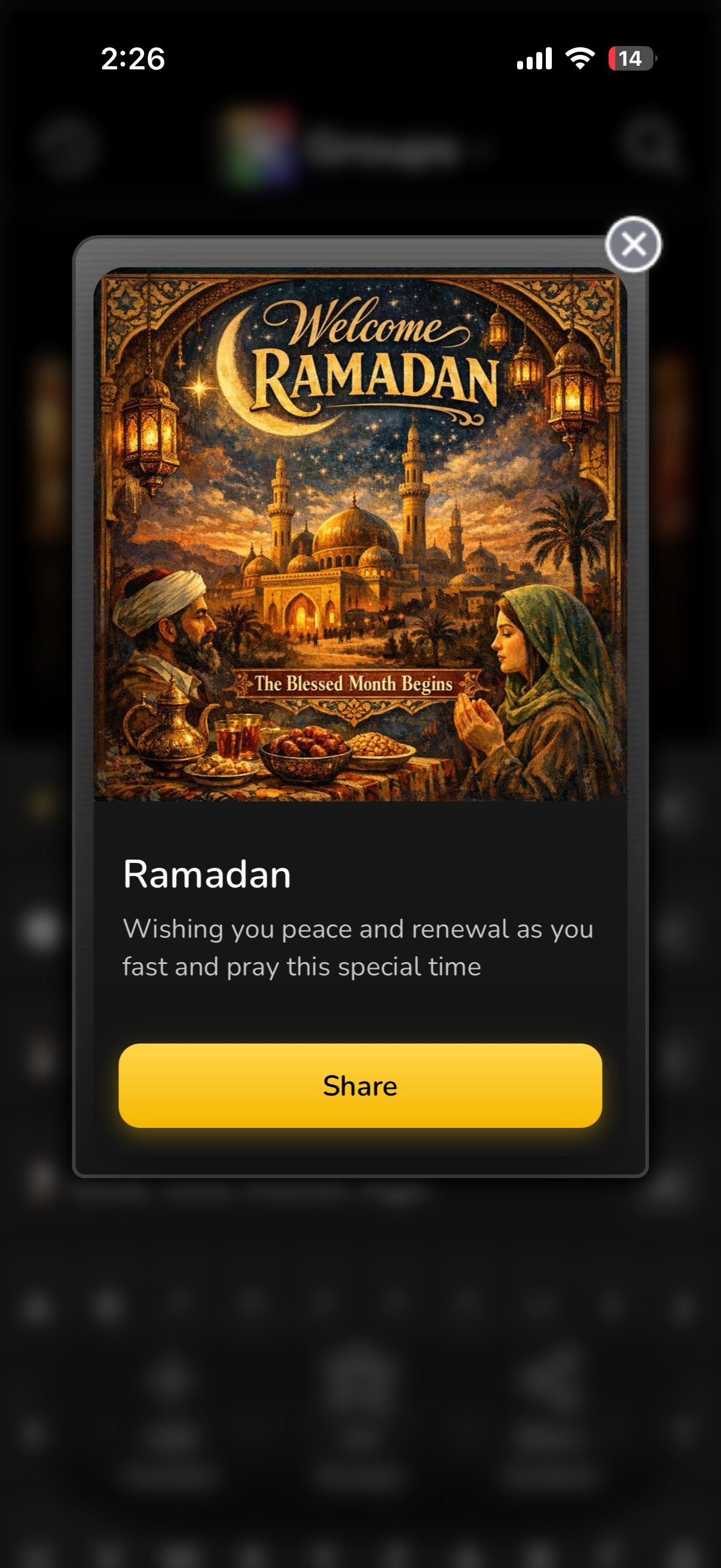
“Oh — today is Ramadan.”
“Oh — Lunar New Year is ending soon.”
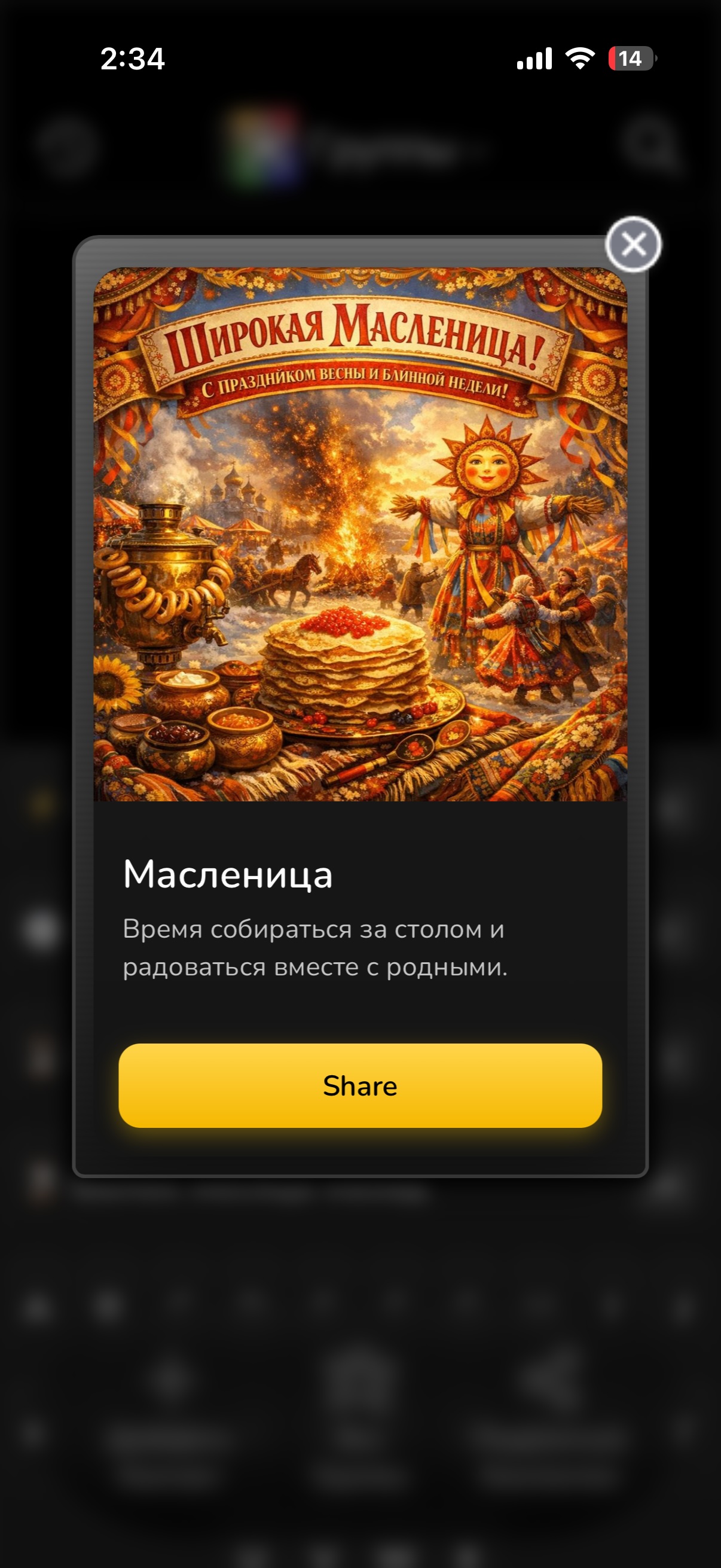
“Let me wish my friend a happy holiday in their language.”
That sounds simple. It’s not.
How This Actually Works (End-to-End, In Plain English)
1. AI Generates Once. The App Uses It Forever.
Instead of calling AI models every time a user opens the app, we:
- Used AI to generate:
- Holiday data
- Cultural descriptions
- Greetings in many languages
- Images for each holiday
- Stored all of it in a database
- Indexed it so it can be searched and filtered fast
This means:
- The app is fast
- The app is cheap to run
- The app is predictable
- The content can be reviewed and curated
AI does the creative work.
Our system does the reliable work.
This is fundamentally different from “just ask GPT every time.”
2. Automatic Indexing (How the App Knows What to Show)
Each holiday image is tagged with structured data:
- Start date
- End date
- Culture
- Language
- Importance
- Shareability
- Country relevance
When you open the app, the system:
- Filters holidays that are currently happening
- Ranks them by:
- How relevant they are to you
- Your language
- How soon the holiday ends
- Shows the most timely and meaningful ones first
So:
- If Ramadan is ending today, it rises to the top
- If Lunar New Year just ended, it fades out
- If you speak Spanish, you see Spanish greetings
- If you speak French, you see French greetings
This is not AI guessing.
This is deterministic ranking on structured data.
3. Scripts That Write Scripts (Automation Without Chaos)
We didn’t just use AI to generate content.
We used AI to help write scripts that:
- Generate new holiday images
- Normalize dates
- Fix mistakes
- Fill in missing data
- Keep everything consistent
This creates a loop:
AI → Scripts → Database → App
Scripts → AI → Better scripts → Better data → Better app
But the important part:
AI never touches production directly.
Scripts run in controlled workflows.
Everything is logged.
Everything is reproducible.
This is how you “close the loop” safely.
4. Safety by Design (Not by Prompting)
Typical AI apps try to be safe by telling the AI:
“Please behave.”
That doesn’t scale.
We designed safety into the system:
- AI generates offline
- Scripts validate content
- Unsafe content is rejected before it enters the database
- Length limits prevent breaking the system
- Attributes are normalized
- Bad data is filtered out
- Everything can be reprocessed if rules change
This is a small example of how Safebots are designed: AI is just one component in a controlled system. Not a genie in the middle of your product.
The Cultural Impact (This Is the Part That Matters)
This system does something subtle but powerful:
People see holidays from cultures that aren’t their own
People see greetings in languages they don’t speak
People are reminded to wish each other well
People learn that their neighbors celebrate different things
People form bonds
This helps:
- Reduce cultural isolation
- Increase empathy
- Normalize diversity
- Create small moments of connection
- Build bridges between religions and communities
It sounds small. But at scale, it changes how people experience each other. This aligns deeply with real-world community work, like what’s described in this article about restoring healthy communities: https://www.laweekly.com/restoring-healthy-communities/
Technology doesn’t fix society by itself.
But it can help create healthier social habits.
We Didn’t Start From Zero
Our team built the Groups App years ago.
It has attracted:
- Over 1 million community leaders
- Across more than 100 countries
These are people who:
- Run local groups
- Organize events
- Lead communities
- Help people connect offline
This gives us something most AI teams don’t have: A real distribution channel to real community leaders. Safebots are designed to help these leaders:
- Run safer AI tools
- Moderate content
- Generate helpful resources
- Support their communities
- Avoid unsafe automation
- Roll out AI in ways that help people, not exploit them
How This Differs from Typical AI Products
| Typical AI Product | Our Approach |
|---|---|
| Call AI on every user action | Generate once, reuse forever |
| AI decides everything | Rules + indexing + scoring decide |
| Prompt-based safety | System-level safety |
| Hard to audit | Fully auditable |
| Expensive at scale | Cheap at scale |
| Hallucination risk | Deterministic outputs |
| No memory | Structured database |
| No cultural awareness | Cultural indexing |
| AI as the product | AI as a component |
This is the Safebots philosophy:
AI is not the system.
AI is one tool inside a safe system.
The Bigger Picture: Safe AI for Communities
This holiday system is not a demo.
It’s a small version of how Safebots work:
- AI generates
- Scripts validate
- Databases store
- Rules rank
- Apps serve
- Communities benefit
This lets communities:
- Adopt AI safely
- Use AI productively
- Avoid chaotic automation
- Build trust
- Scale without fear
The result:
AI that helps people connect.
AI that respects culture.
AI that stays under control.
AI that strengthens communities instead of destabilizing them.
That’s the future we’re building.